Bentsai Blog
Welcome to Bentsai blog! Here, you'll find the latest news from Bentsai, handheld printer highlights, handy guides and insightful industry trends. Everything you need for efficient handheld inkjet printing in one place.
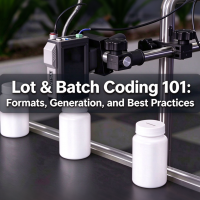
Lot & Batch Coding 101: Formats, Generation, and Best Practices
Lot and batch codes link products to their production runs, enabling recalls, compliance, and inventory control. Effective codes include date, facility, and sequence components. Choose handheld printers for flexibility, inline systems for high volume, or wide-format models for large cartons. Always test ink and substrate compatibility before full production.
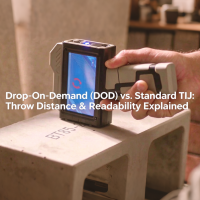
Drop-On-Demand (DOD) vs. Standard TIJ: Throw Distance & Readability Explained
DOD and TIJ solve different marking needs. DOD shoots larger droplets across wider gaps—up to 30mm—for rough surfaces and large characters. TIJ fires smaller droplets at close range—2 to 5mm—for sharp 600 DPI barcodes and fine text. Match the technology to your substrate and readability requirements.

How to Mark PVC, Structural Steel, and Metal Tubes Without Smudging
Smudged codes on PVC and steel cause rework, traceability failures, and compliance risks. Use solvent-based fast-drying ink, wipe surfaces with IPA before printing, switch to TIJ technology over stenciling, and keep the printhead 2–5mm from the surface. Handheld printers make smudge-free marking portable, fast, and low-maintenance.

Complete Guide: Marking Porous and Rough Surfaces on Construction Sites
Faded marks on construction sites cause costly rework. Old tools like pencils and crayons can't handle rough surfaces or changing data. Handheld inkjet printers solve this—water-based ink for porous materials like wood and concrete, and solvent-based for metal and plastic. Always test your ink and material combo before full production.

FDA Lot and Batch Number Formatting Checklist
FDA lot and batch numbers ensure targeted recalls and consumer safety. Compliance requires unique alphanumeric codes, legible printing, durable ink that withstands moisture and abrasion, and prominent placement. Pharmaceutical, supplement, and food manufacturers must follow 21 CFR 211, 21 CFR 111, or FSMA 204. Use high-resolution printers with proper ink for your packaging surface.

FSMA 204 & You: Affordable Traceability Solutions for Small Food Manufacturers
FSMA 204 requires small food makers to track products and share records within 24 hours. You don't need expensive software. A good batch coding printer — like Bentsai 6105F — prints lot codes and dates on any surface. No monthly fees. One-time cost saves you thousands. Start with the FTL list, map your steps, and run a mock recall. Compliance builds customer trust.

Why Direct-to-Package Printing is Replacing Labels in Modern Supply Chains?
This article analyzes why direct-to-package printing replaces adhesive labels in modern supply chains. It reveals hidden costs of traditional labels, compares data savings, introduces Bentsai TIJ printers' advantages, and offers a simple transition guide, proving it cuts costs, boosts efficiency and meets sustainability goals.

The 2D Barcode Revolution: Is Your Business Ready for GS1 Sunrise 2027?
The shift to 2D barcodes under GS1 Sunrise 2027 is transforming global retail and supply chains. Businesses must upgrade their printing systems to ensure compliance and unlock benefits like enhanced traceability, smarter inventory management, consumer engagement, and anti-counterfeiting protection. Preparing now ensures a smooth, future-ready transition.

Choosing the Right Variable Data Printing Type: Thermal Inkjet Printing or Laser Printing?
Explore the key differences between laser and thermal inkjet variable data printing. Learn which type is best suited for your business needs - whether it’s high-volume document printing or on-demand coding for products and packaging.

Small Character Inkjet vs. Large Character Inkjet: Which Printers is Right for Your Business?
Not sure whether to choose a small or large character inkjet printer? This guide breaks down their key differences, advantages, and industry use cases—helping you find the right solution for your printing needs.

DIY T-shirt Printing 101 : All You Need to Know About DIY T-shirt Printing
Planning to DIY print a T-shirt? Whether it's for personal use, a small business, or a special gift, this blog walks you through everything you need to know before starting your DIY T-shirt printing journey — from choosing the right printing method and printer type to fabric selection, design prep, and printing tips. We’ll also introduce thermal inkjet handheld printers as a portable and beginner-friendly option for stylish custom prints.

Benefits of Portable Handheld Inkjet Printers for Your Business
Portable handheld inkjet printers combine speed, flexibility, and surface versatility. This article compares traditional and handheld printers, explains their benefits in different industries, and shows how portable printing improves efficiency, accuracy, and on-site productivity.

Barcode 101: What You Need to Know About Barcode
This article provides a detailed guide to barcodes, exploring their importance in everyday life and business. It covers the definition, types, and applications across industries, and walks readers through the process of creating a barcode system. Topics include barcode and database creation, as well as selecting the right printers and scanners, offering in-depth insights into barcode technology.

Batch tracking is crucial for every business and today, we will share with you why and how it contributes to quality control, inventory management, and regulatory compliance. Also, there will be a step-by-step guide on how to set up and implement batch tracking effectively in operations.

How to Make a Personalized Gift Using a Handheld Printer?
This article details how to make personalized gifts with a handheld printer. It guides you through gift selection and content customization, help to learn how to use the handheld printer and personalize gift packaging, highlighting the charm and significance of unique gifts.

Mark a clear and reliable barcode is important for business. This article provides a step-by-step guide on how to create barcodes for your business, from choosing the right type of barcode to printing and testing them. Following simple 5 steps will help you create reliable and accurate barcodes that improve operational efficiency and enhance business processes.

Barcode vs QR Code 101: Information You Need to Know
Barcodes and QR codes are two widely used data encoding methods, each with its own strengths and applications. This article explores how they work, highlights their differences, and discusses the industries they serve, helping you choose the suitable option for your business.

Barcodes or Serial Numbers: Which is Better for Your Business?
Understanding the distinctions between barcodes and serial numbers is essential for effective product tracking and inventory management. Barcodes streamline operations with quick scanning, while serial numbers provide unique identification, enhancing accountability. By learning their differences, you will know which coding system you need for optimizing your operational efficiency.

Lot Codes vs. Other Codes: Similarities and Differences
Explore the difference similarities between lot codes, serial numbers, barcodes, QR codes, and SKUs. Learn how they can be benefitial in tracking products, managing inventory, and improving efficiency. With practical printing solutions like handheld inkjet printers, laser coders, and thermal transfer printers for clear and reliable product identification.

The Ultimate Guide to Lot Numbers: Benefits, Industry Applications, and Traceability
Lot numbers are unique codes assigned to product batches for traceability and compliance. They enable targeted recalls, support FIFO inventory management, help identify quality defects, and meet FDA FSMA 204 requirements. Used across food, pharma, and manufacturing, lot codes protect consumers and brands. Printing them legibly requires matching ink to surface—water-based for porous, solvent for non-porous materials.

What is a Lot Code: A Guide to Formats, Compliance and Printing
A lot code is a unique identifier on product packaging that links items to their production batch. It enables targeted recalls, ensures FDA/FSMA compliance, and supports quality control. Lot codes typically include production dates, plant codes, and batch numbers. Print them using handheld or inline thermal inkjet printers—choosing the right ink for your packaging surface.

Effective tracking and quality control are vital across industries. Batch codes provide unique product identifiers by recording production details, ensuring safety and compliance while optimizing operations. This article highlights the benefits of batch codes and their role in enhancing supply chain efficiency.

How to Choose the Right One from Industrial Inkjet Printers?
We've explored several good sides about industrial inkjet printers in the previous blog article. As we dive deeper, it’s crucial to understand how to choose the right machine based on your needs by sharing some key considerations you should pay attention to. In this article, we will share 6 top factors to help you make a wise choice.

Why Does Your Business Need Industrial Inkjet Printers?
Industrial inkjet printers provide fast, precise, and versatile printing for modern production. This article explains what industrial inkjet printers are, their common types, and how they compare to laser coders and thermal transfer printers. It also highlights business benefits, who uses them, leading brands, and Bentsai’s recommended models. Readers will learn how these printers improve efficiency, accuracy, and on-site productivity across many industries.

Where to Find a Reliable Lot Code Printer for Cables and Wires?
Are you looking for the best batch code printers for cables and pipes? You’re in the right place! Bentsai handheld printers provide clear, durable, and compliant markings, ensuring safety, traceability, and operational efficiency. Suitable for various materials like PVC, metal, and rubber, Bentsai printers are versatile, reliable, and easy to integrate into any workflow. Contact us for personalized advice on finding the perfect printer to enhance your operational efficiency and product traceability.

