The Future of Handheld Printers: 2026 Trends & Industrial Applications
Key Takeaways:
- The handheld inkjet printer market is projected to reach $2.06 billion by 2032, growing at a CAGR of 6.84%.
- IoT integration and cloud connectivity are enabling real-time data sync and remote printer management.
- Eco-friendly ink formulations—water-based and UV-curable—are becoming industry standards.
- AI-driven predictive maintenance and enhanced substrate adaptability are redefining industrial printing capabilities.
What is the Current State of the Handheld Inkjet Printer Market?
As of 2026, the handheld inkjet printer market is valued at approximately $1.39 billion, growing from $1.30 billion in 2025. The industry is projected to expand at a CAGR of 6.84%, reaching $2.06 billion by 2032.
Three major challenges currently facing the industry:
1. Print Speed – Handheld printers typically have slower throughput compared to inline systems. Manufacturers are working to improve speed for high-demand production environments without sacrificing print quality.
2. Ink Adhesion & Durability – Ensuring prints withstand environmental factors like moisture, abrasion, and UV exposure remains a technical hurdle. Matching ink chemistry to diverse substrates—from porous cardboard to non-porous plastics and metals—requires ongoing R&D investment.
3. Device Compatibility – Limited universal connectivity with existing WMS, ERP, and inventory systems can slow adoption. Users increasingly expect seamless integration across smartphones, tablets, and enterprise software platforms.
Despite these challenges, the market offers significant opportunities. On-demand printing aligns with sustainability goals by reducing waste from pre-printed packaging. Customization capabilities are expanding across industries—from direct-to-garment printing to specialized applications like bottle coding and lumber marking. For more details on cost-effective handheld printing options, refer to our pricing guide.
5 Emerging Trends Shaping Handheld Printing in 2026
1. IoT Integration and Cloud Connectivity
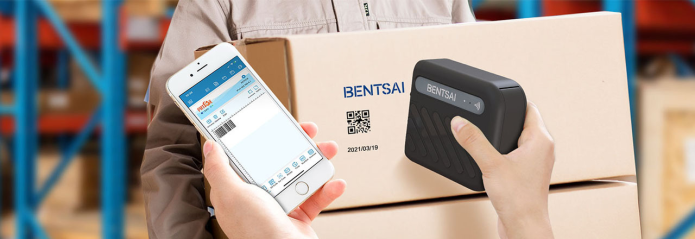
Handheld printers are evolving from standalone devices into connected nodes within broader digital workflows. IoT-enabled printers sync data with inventory databases, barcode systems, and content management platforms in real time—reducing error rates and maintaining traceability across distributed operations.
Manufacturers are developing Bluetooth and Wi-Fi connectivity that allows operators to manage print jobs from smartphones, tablets, or PCs. This shift enables remote diagnostics, firmware updates, and content changes without physical access to the printer. For businesses looking to streamline mobile workflows through smartphone integration, handheld printers now offer a practical path to digitized labeling.
2. Eco-Friendly and UV-Curable Ink Formulations
Sustainability is driving ink innovation. Water-based inks with low VOC emissions are gaining traction for porous surfaces like paper, cardboard, and wood. They offer eco-friendly, low-odor printing suitable for food packaging and indoor applications.
UV-curable inks are emerging as a premium solution for high-durability applications. These inks cure instantly under UV light, producing smudge-proof, chemically resistant marks on non-porous surfaces like glass, metal, and plastic. While they require additional curing equipment, UV inks reduce waste and re-marking costs over time.
For businesses prioritizing environmental responsibility, sustainable water-based ink cartridges offer a cost-effective entry point.
3. High-Resolution Multi-Color & Variable Data Printing
Print resolution continues to improve, with devices now achieving 600 DPI or higher. This enables crisp barcodes, small text, and detailed logos on packaging and products. The move toward multi-color printing—once limited to stationary systems—is expanding creative and professional applications, from branded merchandise to color-coded warehouse labels.
Variable data printing (VDP) is becoming standard. Operators can print unique serial numbers, customer-specific codes, or sequential batch IDs without stopping production. For applications requiring high-resolution graphics on textiles, handheld printers now offer quality approaching dedicated industrial equipment.
4. AI-Driven Predictive Maintenance
Artificial intelligence is moving into printhead diagnostics and maintenance scheduling. AI algorithms analyze print quality patterns, ink usage, and component wear to predict failures before they occur. This reduces unplanned downtime, extends equipment lifespan, and lowers total cost of ownership.
For operations with multiple handheld printers across distributed sites, AI-enabled fleet management provides centralized visibility into device health and performance metrics.
5. Enhanced Substrate Adaptability
Modern handheld printers handle an increasingly broad range of materials. Thermal inkjet (TIJ) and piezoelectric technologies now support:
- Porous surfaces: Paper, cardboard, untreated wood, fabric
- Non-porous surfaces: Plastic (PE, PET, PP), glass, metal, coated cartons, laminated films
- Challenging substrates: Curved bottles, uneven textures, and high-gloss surfaces
This adaptability opens new applications in construction (marking lumber and pipes), field services (marking equipment), and healthcare (medical device labeling). Improvements in ink chemistry and printhead design have made these applications viable for routine industrial use.
Real-World Industry Applications
Supply Chain & Logistics: QR Codes and Barcodes for Real-Time Tracking
Warehouses and distribution centers rely on handheld printers to generate scannable codes at the point of packing. Workers print QR codes and barcodes directly on shipping boxes, eliminating the need for pre-printed labels or trips to centralized printing stations. Real-time data sync with WMS ensures tracking information is current and error-free.
Food & Beverage Packaging: Printing on Curved Bottles and FDA Compliance
Warehouses and distribution centers rely on handheld printers to generate scannable codes at the point of packing. Workers print QR codes and barcodes directly on shipping boxes, eliminating the need for pre-printed labels or trips to centralized printing stations. Real-time data sync with WMS ensures tracking information is current and error-free.
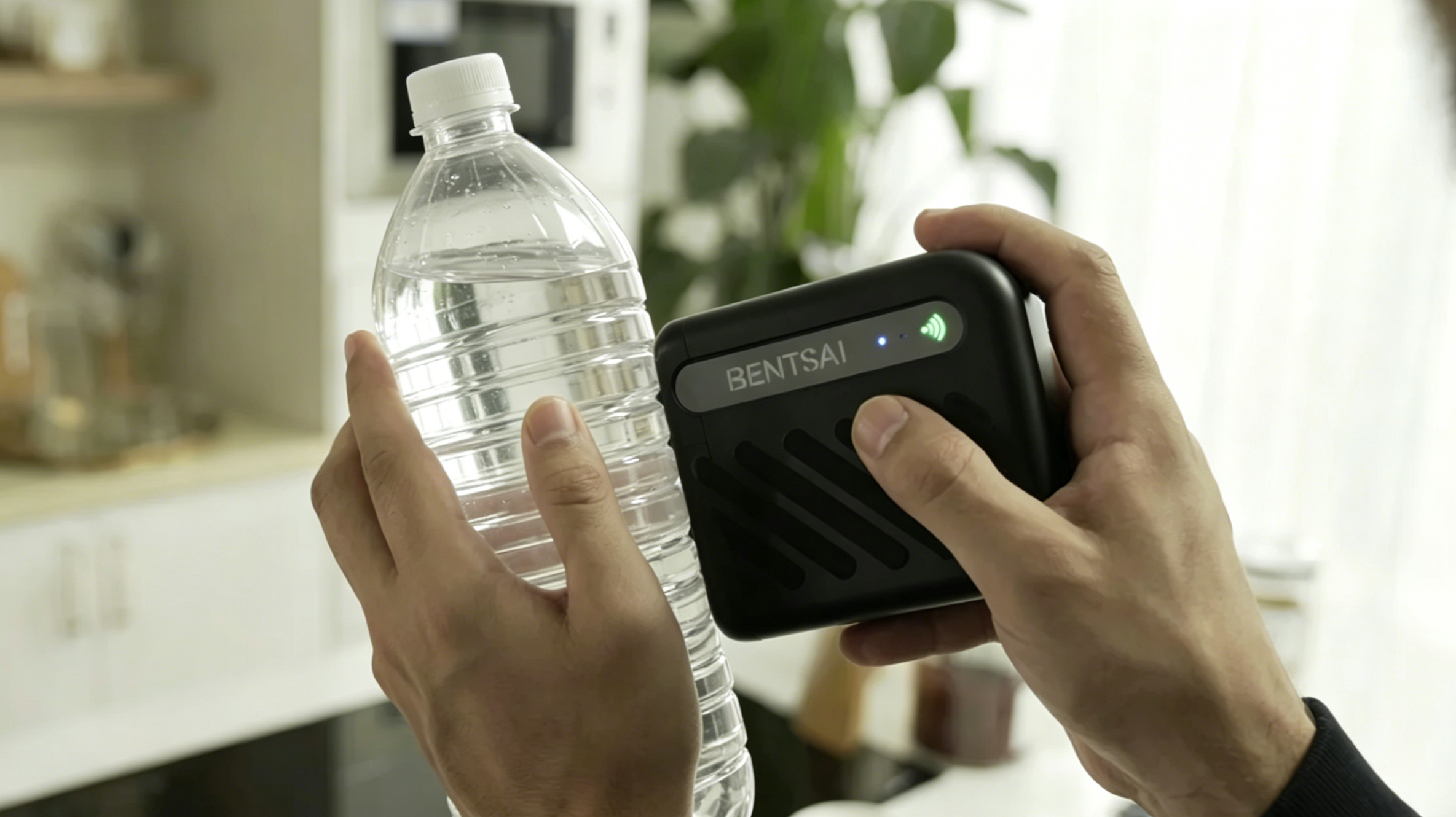
For coding directly onto curved glass and plastic bottles, solvent-based inks provide the adhesion and durability needed for cold chain and high-moisture environments.
Healthcare & Pharmaceuticals: UDI (Unique Device Identification) Compliance
Medical device manufacturers and pharmaceutical companies must meet FDA UDI requirements, which mandate unique identifiers on product labels. Handheld printers produce high-resolution, smudge-proof codes that remain legible throughout the product's shelf life. For small-batch production or multi-SKU lines, handheld devices offer a flexible alternative to fixed printing systems.
Handheld vs. Traditional Inline Printers
| Factor | Handheld Inkjet Printer | Traditional Inline Printer |
| Cost | $530-2,199 (low entry cost) | $10,000-25,000+ (high upfront investment) |
| Portability | Mobile, use anywhere | Fixed to production line |
| Setup Time | Minutes, no tools required | Hours or days, requires installation |
| Maintenance | Minimal; replace cartridges as needed | Regular maintenance contracts required ($1,500–$3,000/year) |
Frequently Asked Questions
What is the lifespan of a handheld printer?
With proper care, a handheld inkjet printer lasts 3–5 years of regular industrial use. Key factors affecting lifespan include printhead maintenance, ink quality, and operating environment (dust, moisture, temperature extremes). Regular cleaning and using manufacturer-recommended inks extend operational life.
Can handheld printers print on glass and metal?
Yes. With fast-dry solvent or UV-curable inks, handheld printers adhere to glass, metal, plastic, and coated surfaces. Solvent inks dry in 2–5 seconds and resist moisture and abrasion, making them suitable for industrial environments. For best results, clean the surface before printing.
How do portable printers connect to inventory systems?
Most modern handheld printers connect via USB, Bluetooth, or Wi-Fi to WMS, ERP, or inventory databases. Data transfer can be batch-based (via USB) or real-time (via wireless). For businesses without wireless infrastructure, USB file transfer remains a reliable, secure option for loading batch numbers, serial codes, and variable data.
Conclusion
The handheld inkjet printer market is entering a period of rapid innovation. IoT connectivity, eco-friendly inks, AI-driven maintenance, and expanded substrate compatibility are transforming these devices from niche tools into essential industrial equipment. With the market projected to reach $2.06 billion by 2032, businesses that adopt handheld printing solutions now will gain a competitive edge in traceability, compliance, and operational efficiency.
Whether you're in food packaging, logistics, manufacturing, or healthcare, the future of coding and marking is mobile, connected, and sustainable. Don't get left behind.
About the Author

Matty Chen is an Inkjet Application Engineer, and BENTSAI Inkjet Printing technology Consultant. He specializes in industrial inkjet printing technologies, with a focus on handheld printers, thermal inkjet systems, and coding solutions. His work explores ink performance, material compatibility, and practical printing applications for businesses across manufacturing, packaging, and product customization industries.
Revolutionize Your Workflow: How a Handheld Inkjet Printer Can Boost Your Business
Ask Question
No questions and answers

