Eco-Friendly Printing in 2026: Why Handheld Inkjet Printers Are the Sustainable Choice
The years 2025 and 2026 are all about going green. More and more companies are looking for ways to make their packaging and manufacturing kinder to the planet. Traditional printing methods create a lot of trash and use a ton of energy.
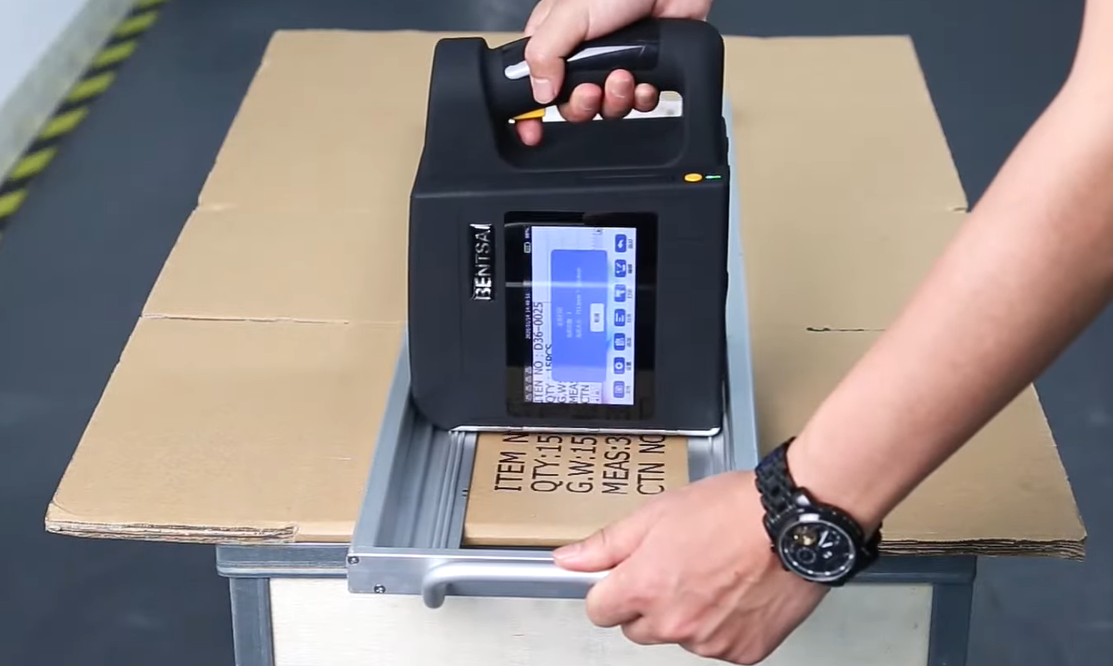
That's where handheld inkjet printers come in. They print directly on boxes and products, so there's no paper waste from sticky labels. Plus, they run on batteries, so they don't hog electricity. This simple switch can make a real difference for the environment.
The 2026 Eco-Friendly Printing Movement: Statistical Impact
- Market Growth: The green printing market is getting bigger every year. It was worth about 2.07 billion in 2023, and experts think it'll hit 3.35 billion by 2030. That's a growth rate of 7.5% each year (Grand View Research).
- Sustainable Demand: People care more about the planet now. Shoppers want to buy from companies that don't trash the environment. That means businesses have to clean up their act, including how they print.
- Ink Trend Shift: Old-school inks are full of harsh chemicals. The trend now is moving toward water-based inks and ones without VOCs (Volatile Organic Compounds). These are safer for people and the planet.
Why Handheld Inkjet Printers Are an Eco-Conscious Choice
Here's why these little printers are a big win for the environment:
- Direct-to-Object Printing (Zero Paper Waste): Print right on the box, bottle, or part. No labels. No backing paper. No trash.
- Energy Efficiency (Battery-Powered): These run on rechargeable batteries. They don't need to be plugged in all day, so they use way less power than big industrial printers.
- Eco-Friendly Inks (Low to Zero VOCs): They use inks that are water-based or have very few harsh chemicals. That means less pollution and safer air in your workspace.
- Refillable Cartridge Systems: Some models, like the Bentsai B30, let you refill the ink instead of tossing the whole cartridge. Less plastic in the landfill.
Traditional Printing vs. Handheld Inkjet Printing (Environmental Impact)
Here's a quick look at how the two printing methods stack up when it comes to waste, energy, and ink.
| Feature | Traditional Printing (Labels) | Handheld Inkjet Printing |
| Paper Waste | High (tons of backing paper gets thrown out) | Zero (prints straight on the product) |
| Energy Use | High (big machines run all day) | Low (batteries, print only when needed) |
| Ink Type | Often solvent-based (more chemicals) | Water-based or low-VOC (healthier) |
| Print Volume | Have to print big batches | On-demand (print only what you need) |
| Cartridge Waste | High (throw away whole cartridges) | Lower (some models let you refill) |
Practical Applications of Sustainable Direct Printing
Here's how real businesses are using handheld printers to go green:
- Sustainable Retail Packaging: Print expiration dates or recycling info straight on cardboard boxes. No plastic label needed. (Source: Pointmedia UK)
- Supply Chain Logistics: Mark shipping info and barcodes right on crates and pallets. No more paper labels that fall off and become litter.
- Construction & Manufacturing: Print part numbers or warnings directly on wood, pipes, or drywall. Saves tape, paper tags, and time.
Best Practices for Maximizing Sustainability with Your Printer
Want to be even greener? Follow these simple tips:
- Optimize DPI settings to save ink. Use 300 DPI for simple text and dates. Only bump it up to 600 DPI for small barcodes or tiny logos. Higher DPI drinks more ink.
- Transition entirely to water-based ink cartridges where substrate allows. For cardboard, paper, and wood, water-based ink works great and is way cleaner for the planet than solvent ink.
- Recycle empty cartridges through certified e-waste programs. Don't chuck them in the bin. Many office supply stores or local recycling centers take them.
Top BENTSAI Eco-Friendly Handheld Inkjet Printers for 2026
- Bentsai B3: Best for cutting plastic waste. It has a refillable ink cartridge, so you don't keep throwing away old cartridges.
- Bentsai 6105F: Best for saving ink. You can adjust the DPI (300 or 600). Use lower DPI for simple jobs and save ink.
FAQs
- Do handheld inkjet printers use eco-friendly ink?
Yes. They use water-based inks and low-VOC inks. These are safer for the environment and for the people using them than old-style chemical inks.
- How do handheld inkjet printers reduce carbon footprints?
They help in three ways: they use less power (battery), create no paper waste (print direct), and don't overproduce (print on-demand). Less waste means a smaller carbon footprint.
References:
About the Author

Matty Chen is an Inkjet Application Engineer, and BENTSAI Inkjet Printing technology Consultant. He specializes in industrial inkjet printing technologies, with a focus on handheld printers, thermal inkjet systems, and coding solutions. His work explores ink performance, material compatibility, and practical printing applications for businesses across manufacturing, packaging, and product customization industries.
Simplified Marking Solutions: Ultimate Guide to Handheld Inkjet Printers
Unlock Innovation: Handheld Printers That Print Directly on Metal Surfaces

Ask Question
No questions and answers

